I am Matej Pemper Prodanov, founder of MasVer Studio. I grew up in Istria, in a family that runs a local business, so I know how Istrian businesses work and how much depends on the season. I am studying International Business in Groningen, the Netherlands, and I have lived, studied and worked in four countries: Croatia, the Netherlands, Argentina and Slovenia. This helps me understand the travelers who come to Istria and how they search. The studio is at an early stage. I work with each client personally, measure everything against a starting baseline, and send the numbers every month.
MasVer Studio: visibility on Google and ChatGPT for Istrian businesses
Travelers search Google and Google Maps, and ask ChatGPT, before they book or buy. MasVer Studio helps Istrian businesses show up in those results, and sends a report every month.
Request a free intro callNo obligation.
Three layers of visibility, one package
MasVer Studio helps businesses in Istria be found and chosen when travelers and local customers search Google and Google Maps, or ask ChatGPT. It works in three layers, delivered as one package and measured every month.
Foundation
Google Business Profile setup, optimization and monthly maintenance. A visibility audit at the start. Technical website fixes that make the site easier for Google and AI tools to read. A simple process for collecting reviews.
Content and entity
Service and location pages. A clear description of who the business is, where it works and what it offers, kept the same on every platform. Access for search engines and the AI tools that read websites.
Measurement
A baseline before any change. A monthly scorecard with Google Business Profile activity, Search Console results, reviews, website visits, enquiries, and mentions in ChatGPT, Gemini and Google AI Overviews. Each scorecard ends with a plan for the next month.
How it works
- Onboarding and baseline.
- Audit.
- Fixes.
- Content.
- Monthly measurement.
FAQ
- What do I need to provide?
- Delegated access to your Google Business Profile, website and analytics. I never ask for passwords.
- How long until I see results?
- Visibility changes over months, not days. The monthly scorecard shows what has actually improved.
- Do I need technical knowledge?
- No. Each scorecard is written in plain language and ends with a short list of concrete actions.
Next step: get in touch and we will arrange a short call.
How travelers find Istria, and how that is changing
Over the last 30 years, the way travelers find and choose places in Istria has changed several times. Each change moved a little more of the first impression out of the business’s hands.
First came printed guidebooks, tourist boards and travel agents. Travelers chose from a list someone else had made, but a business at least knew who was making the list.
Then came search engines and maps. Travelers looked for themselves, and the first impression came from a position in the results, a few photos and a pin on a map.
Reviews took this further. The opinion of strangers started to count as much as an official brochure, and a star rating often decided before anyone opened a website.
Today travelers ask ChatGPT where to stay, what to eat or who to call, and get a short answer instead of a page of links. That answer is built from what the assistant can read about a business: its website, profiles, reviews and listings. A business that is clearly described is easier to recommend. One that is unclear or missing is skipped.
This matters most for small independent businesses, which rarely have a marketing department, and in Istria, where most of the year’s income is earned in a few months. The timeline below shows how it came to this.
Timeline
1946–1990
The Yugoslav era
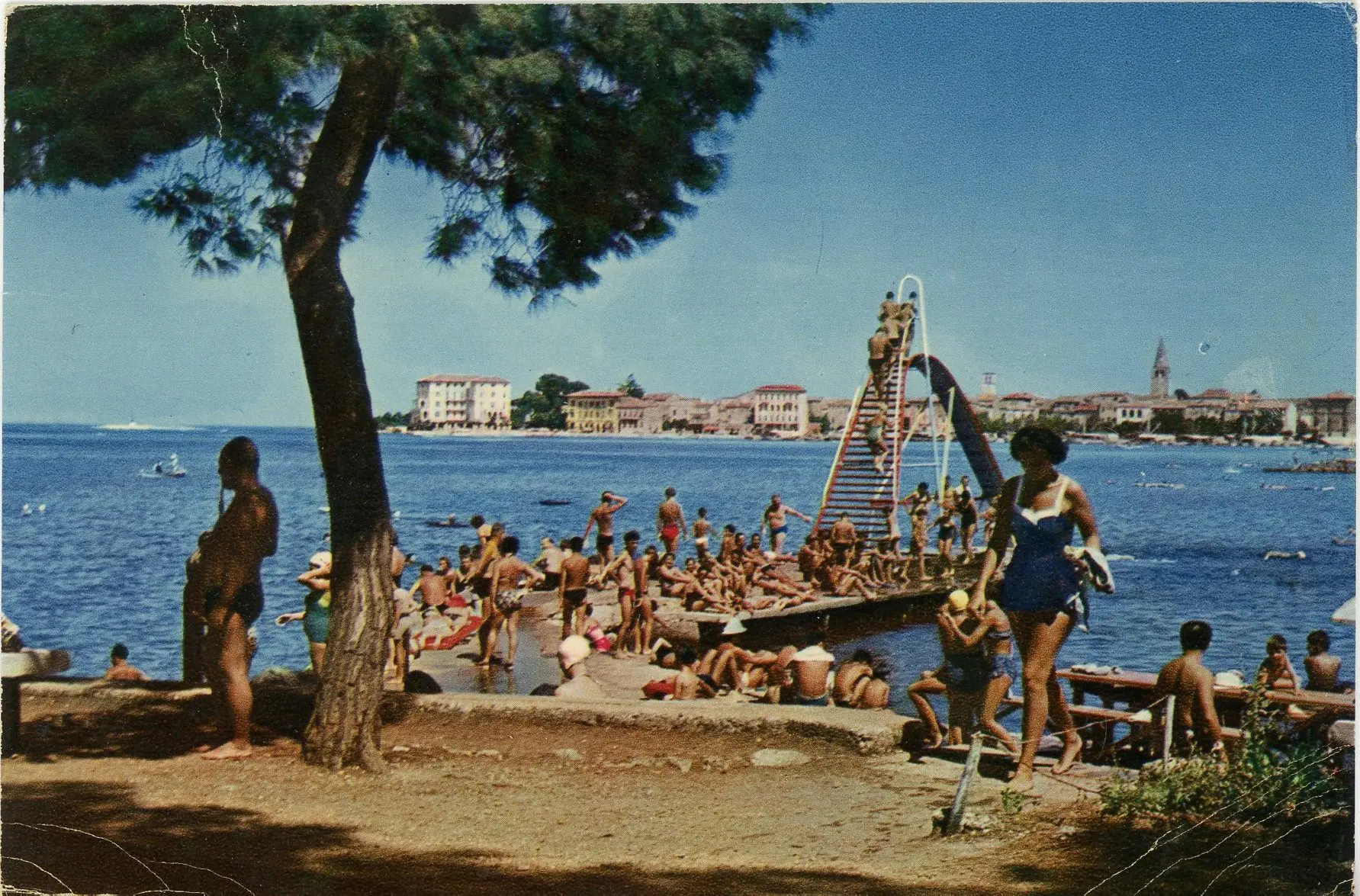
1946 to 1950s: Yugoslavia introduces paid holidays. Trade unions and state programs send workers' families to the coast, and many hotels become workers' resorts.
1960s to 1980s: Foreign tourism opens. Visas are abolished in 1963 and Pula airport opens to traffic in 1967. By the mid-1980s Istria records about 30 million overnight stays a year.
1991–1999
Independence and recovery
1991 to 1995: Independence and war. Arrivals fall across Croatia, while Istria holds up better than most regions. Tourist companies are privatized.
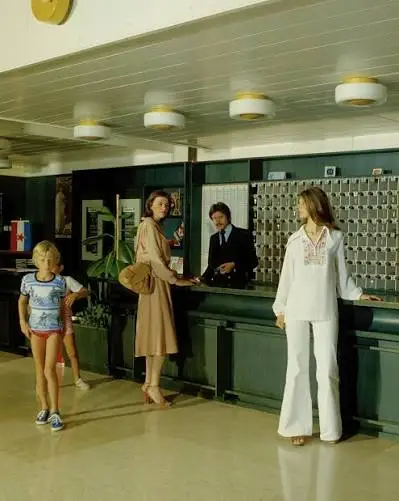
Late 1990s and 2000s: Independent Croatia. Guidebooks, word of mouth, tourist boards and travel agents guide the traveler. Private accommodation grows.
2000–2019
Search, maps and reviews
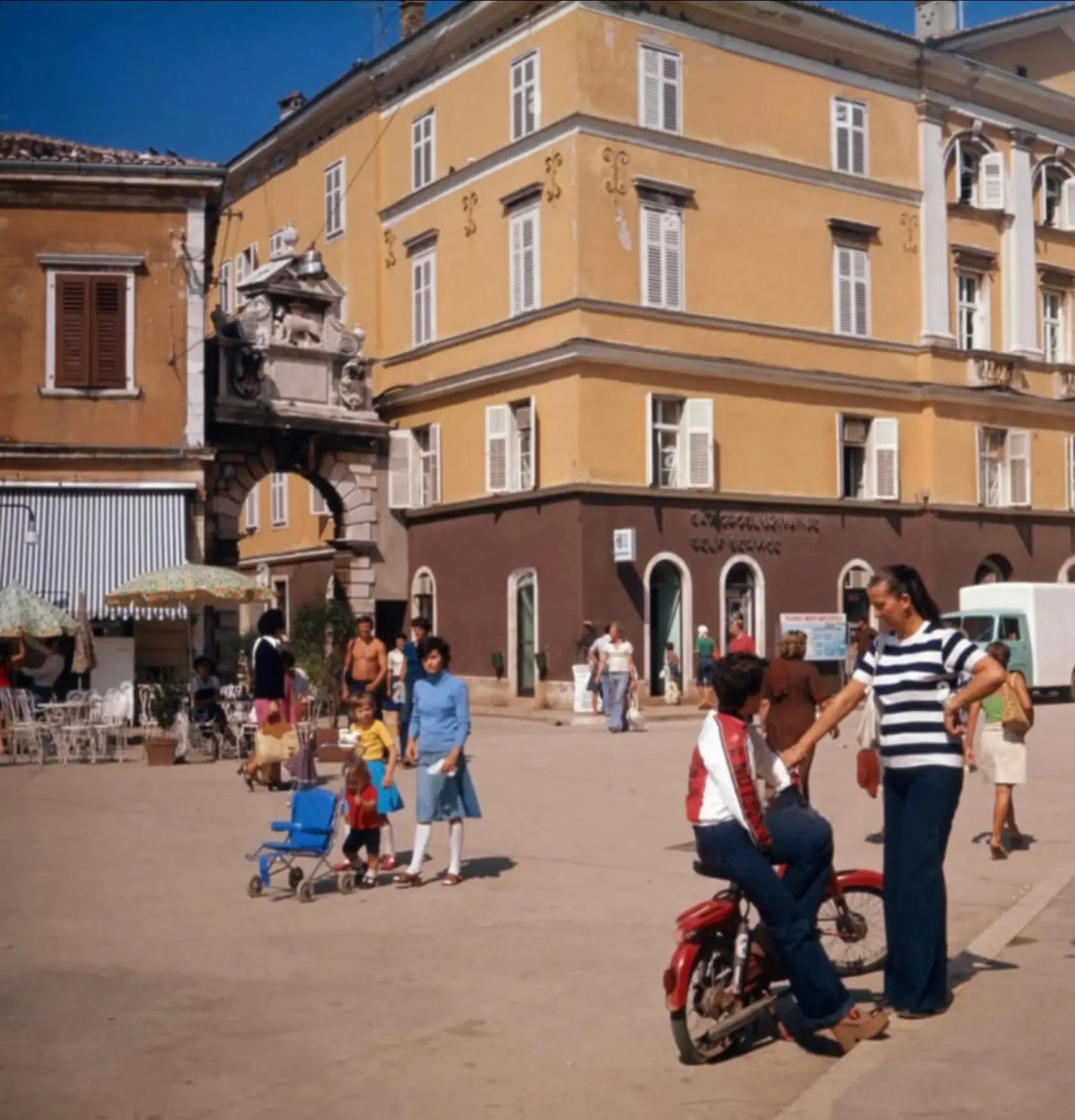
2000s: The internet arrives. Websites and booking platforms become the first step.
2010s: Maps and reviews. Location, photos and ratings decide who gets the booking.
2020–today
The age of AI assistants
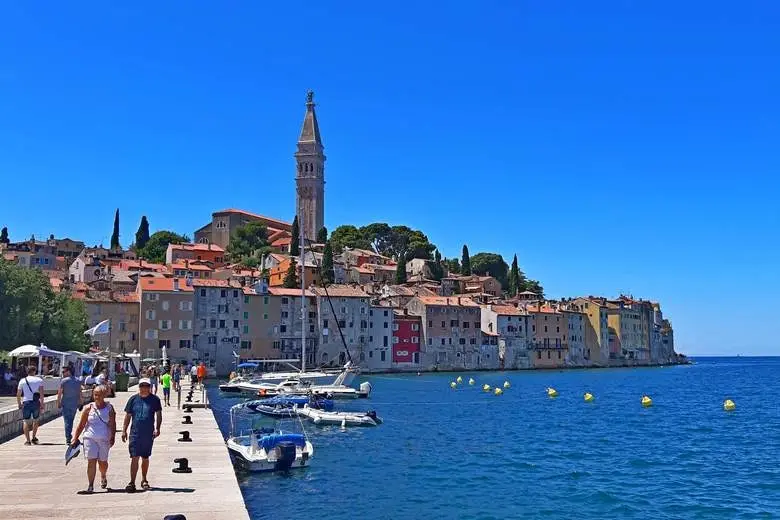
Now: The AI era. Google begins expanding AI Overviews in Europe in 2025, and travelers ask assistants directly.
What comes next
Every new technology changes how people find businesses. It happened with guidebooks, search engines and maps, and it is happening now with AI. MasVer Studio therefore works by four simple principles.
- There is no need to fear the technology. Small businesses can use it to their advantage, as they did with every one before it.
- Understand first, then act. Once you know how assistants read and recommend you, you know what to fix.
- Numbers instead of abstraction. What is measured, what has changed and what comes next, every month, in numbers an owner understands.
- No promises. MasVer Studio does not promise rankings or revenue. It measures, reports and proposes the next step.
90-day pilot: Partenon, Vrsar
The first MasVer Studio pilot runs with Partenon, a window installation and glazing business in Vrsar. It starts on 11 January 2027. No results exist yet. This page will show them when they are documented.
Readings after
- 30 days
- 60 days
- 90 days
What I measure
A baseline before any change, then readings at 30, 60 and 90 days:
- Google Business Profile views, calls and direction requests.
- Search Console clicks and impressions.
- New Google reviews and average rating.
- Website visits and enquiries.
- Mentions in ChatGPT, Gemini and Google AI Overviews, using a fixed set of questions.
Contact MasVer Studio
Request a free intro call. Fill in the form with a few details about your business. On the call, I will show you how I would approach your business and what I would look at first.
- Email: masverstudio@gmail.com
- Phone and WhatsApp: +385 99 190 6525
- LinkedIn: Matej Pemper Prodanov
- Instagram: @masverstudio
Thank you. Your enquiry has been sent. I reply within 24 hours.